
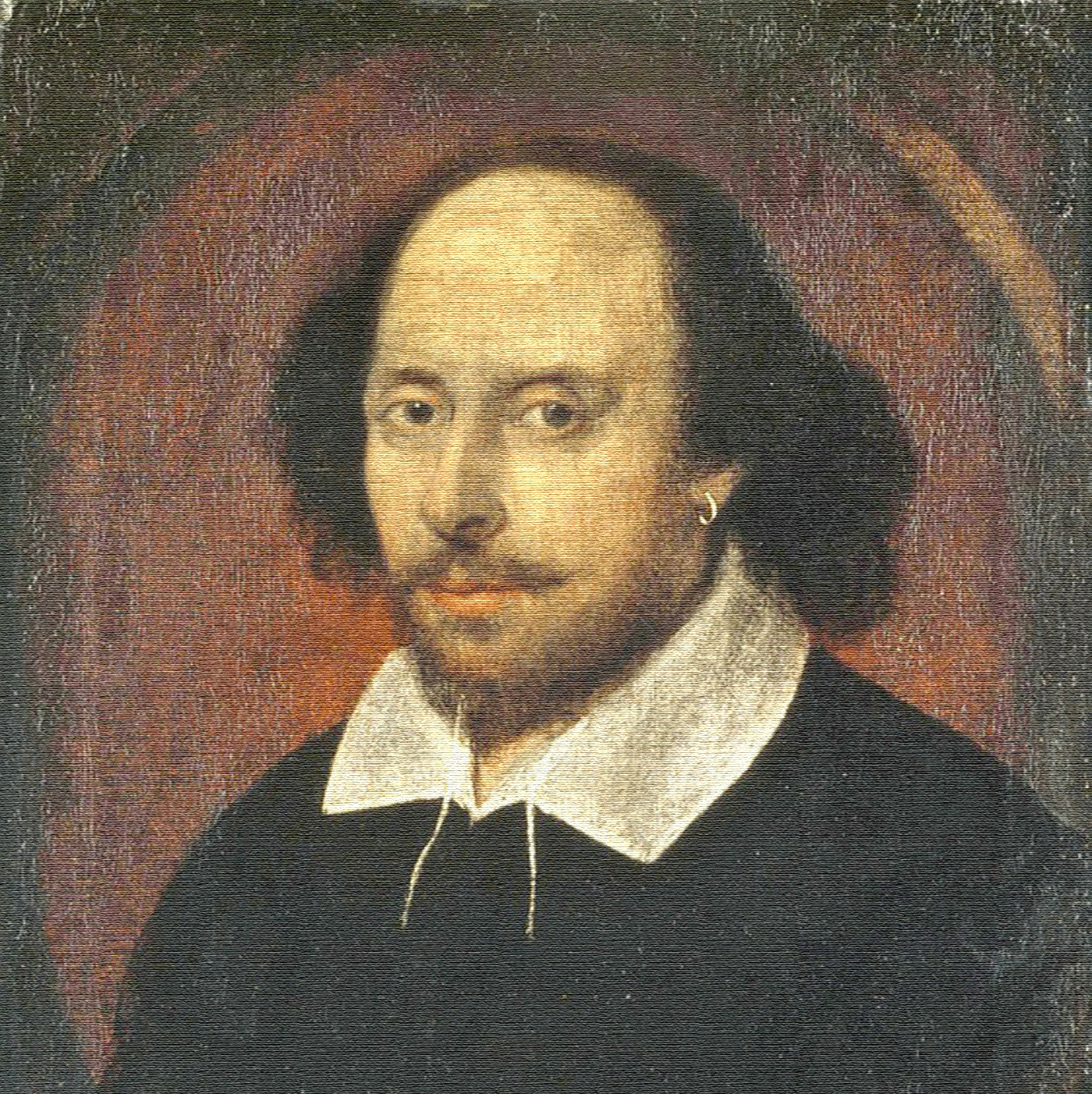
William Shakespeare está considerado el escritor más influyente de las letras inglesas. Entre su prolífica creación literaria se encuentran unas 38 obras y 154 sonetos. Su valiosa aportación como dramaturgo y poeta lo convierte en el paradigma literario por excelencia. No sólo eso, el inglés actual forma parte de su legado, ya que se le atribuye la acuñación de alrededor de 1.700 términos y aforismos, muchos de los cuales se intercalan en el lenguaje cotidiano actual; así que, la próxima vez que oigas a alguien quejarse porque tiene que estudiar a Shakespeare, recuérdaselo. Entre otras, es a él a quien hemos de agradecerle la popularización de las siguientes palabras:

Lonely (solitario)
¿Alguna vez te has sentido triste o deprimido y no acertabas a dar con la palabra que definiera tales emociones? ¡Shakespeare al rescate! Este adjetivo fue acuñado por el Bardo (sobrenombre elogioso de Shakespeare) en el siguiente extracto de Coriolano: «No lo hagas a la ligera, aunque voy solo/como un dragón solitario en su pantano».

Hurry (prisa)
En el mundo acelerado en el que vivimos queda poco tiempo para detenerse a analizar el origen de muchos de los términos que empleamos al hablar, pero ¿sabías que esta palabra se utilizó por primera vez en la Parte I de Enrique VI? «Vidas, honores, tierras, y todo se apresura a la pérdida». La próxima vez que le digas a alguien que abrevie, piensa en el viejo Will.

Rant (maldecir)
¿Conoces a alguien que siempre esté mostrando su irritación, indignación o enfado? Con toda seguridad Shakespeare sí cuando decidió acuñar el verbo «maldecir», o lo que es lo mismo, imprecar audiblemente sin reparos; y así lo hizo en boca del más existencialista de los héroes trágicos, Hamlet: «¡Y si maldices, yo maldeciré igual que tú!».
Estas son sólo unos cuantos ejemplos de palabras que enriquecen nuestras conversaciones diarias; pero ¿y qué hay de aquellas dichos o proverbios que sirven para expresar pensamientos? Bueno, ¡Shakespeare pensó en todo! Aquí hay algunos modismos, sentencias y expresiones de Shakespeare que darán rienda suelta a vuestra creatividad:

• «All that glitters is not gold» = (Lit. No es oro todo lo que reluce). No todo lo que en apariencia es bueno, lo es realidad. (El mercader de Venecia).
• «Break the ice» = (Lit. Romper el hielo). Romper las barreras que permitan superar una situación inicialmente incómoda. (La fierecilla domada).
• «(‘Tis) high time» = (Lit. Es alto tiempo, es alta hora). En castellano diríamos: “ya va siendo hora”. (La comedia de los errores).
• «Love is blind» = (Lit. El amor es ciego). Cuando se está enamorado se pierde la capacidad de crítica, lo que impide ver los defectos de la persona amada (El mercader de Venecia).
• «Set my teeth on edge» = (Lit. Poner los dientes al borde). La expresión paralela en castellano sería “rechinar los dientes” por algo que causa irritación, disgusto o malestar (Enrique VI, Parte I).

Si los aforismos de Shakespeare te superan, aquí hay otro que podrías usar:

• «It is / was Greek to me» = (Lit. Es griego para mí). Algo así como la expresión castellana “me suena a chino”. No entender nada en absoluto (Julio César).

Como queda evidente, en Shakespeare hay mucho más de lo que parece. William Shakespeare fue un revolucionario de las letras, un innovador de la lengua inglesa, uno de los genios literarios más grandes de todos los tiempos. Sus obras, objeto de estudio en todo el mundo, superan la prueba del tiempo al punto de traducirse a todas las lenguas vivas e interpretarse más que las de cualquier otro autor.
J. Crowley

En Callan School, estudiar inglés no es aburrido. La gramática es importante, por eso explicamos todos estos conceptos gramaticales en estos artículos, pero para aprender inglés, lo más importante es que hables mucho, aprendas expresiones, la pronunciación, … y eso es lo que vas a trabajar en cada clase de tu curso de inglés, online o presencial, en grupo reducido o individual, intensivo o no.

Miles de alumnos han aprendido inglés en Barcelona, en nuestra academia de la Via Augusta, de forma fácil y rápida, casi sin darse cuenta. Quieres ser tú uno de ellos. Llámanos al 93 415 54 52 y te informaremos sin compromiso sobre nuestros cursos de inglés en Barcelona o nuestros cursos de inglés online si prefieres estudiar desde tu casa.

Mamen

 
William Shakespeare is widely regarded to be the most influential writer in the English language, having written some 38 plays, 154 sonnets and various other works over the course of his life. Not only did he contribute to both the canons of English poetry and drama, but he also influenced the way the language is spoken today. He is said to have coined around 1,700 words and phrases, many of which are woven into everyday speech — so next time you hear someone complaining about having to study Shakespeare at school, remind them we have Shakespeare to thank for the popularisation of the following words:

Lonely
Ever felt sad and blue and couldn’t put your finger on the word for this emotion? Shakespeare to the rescue! This adjective was coined by the Bard in the following excerpt from Coriolanus: «Believe’t not lightly — though I go alone / Like a lonely dragon that his fen».
 
Hurry
These days we are often in too much of a hurry to stop and think about the origins of our words as we speak them, but did you know that this word was first seen in Henry VI Part I? «Lives, honours, lands and all hurry to loss.» Next time you tell someone to hurry up, spare a thought for old Will.
 
Rant
Is there someone you know who just goes on and on and on … ? Shakespeare obviously did when he coined the verb «to rant», or to talk loudly in a way that shows anger, spoken by the most existentialist of tragic heroes, Hamlet: «I’ll rant as well as thou!».
So there you have it: a few words that smatter our daily conversations, but what about when only an expression or proverb will do to express your thoughts? Well, Shakespeare thought of everything! Here are some Shakespearean idioms, proverbs and expressions to get the creative juices flowing:

• «All that glitters is not gold» = Not everything is as it seems (from The Merchant Of Venice).
• «Break the ice» = To make an uncomfortable situation more comfortable, breaking the barriers (from The Taming Of The Shrew).
• «(‘Tis) high time» = It is time we went (from The Comedy Of Errors).
• «Love is blind» = When you love someone, you fail to see their flaws (from The Merchant Of Venice).
• «Set my teeth on edge» = It irritates me / I can’t bear it (from Henry VI Part I).

 
Finally, here’s one you can use if Shakespearean lingo is getting the better of you:

• «It is / was Greek to me» = I didn’t understand it at all (from Julius Caesar).

 
As indicated, there’s more to Shakespeare than meets the eye. As well as revolutionising the dramatic world, he was an innovator of the English language and his works stand the test of time: Shakespeare’s plays have been translated into every living language and are still performed more than those of any other playwright in the world.

 
J. Crowley

Mamen

 
William Shakespeare is widely regarded to be the most influential writer in the English language, having written some 38 plays, 154 sonnets and various other works over the course of his life. Not only did he contribute to both the canons of English poetry and drama, but he also influenced the way the language is spoken today. He is said to have coined around 1,700 words and phrases, many of which are woven into everyday speech — so next time you hear someone complaining about having to study Shakespeare at school, remind them we have Shakespeare to thank for the popularisation of the following words:

Lonely
Ever felt sad and blue and couldn’t put your finger on the word for this emotion? Shakespeare to the rescue! This adjective was coined by the Bard in the following excerpt from Coriolanus: «Believe’t not lightly — though I go alone / Like a lonely dragon that his fen».
 
Hurry
These days we are often in too much of a hurry to stop and think about the origins of our words as we speak them, but did you know that this word was first seen in Henry VI Part I? «Lives, honours, lands and all hurry to loss.» Next time you tell someone to hurry up, spare a thought for old Will.
 
Rant
Is there someone you know who just goes on and on and on … ? Shakespeare obviously did when he coined the verb «to rant», or to talk loudly in a way that shows anger, spoken by the most existentialist of tragic heroes, Hamlet: «I’ll rant as well as thou!».
So there you have it: a few words that smatter our daily conversations, but what about when only an expression or proverb will do to express your thoughts? Well, Shakespeare thought of everything! Here are some Shakespearean idioms, proverbs and expressions to get the creative juices flowing:

• «All that glitters is not gold» = Not everything is as it seems (from The Merchant Of Venice).
• «Break the ice» = To make an uncomfortable situation more comfortable, breaking the barriers (from The Taming Of The Shrew).
• «(‘Tis) high time» = It is time we went (from The Comedy Of Errors).
• «Love is blind» = When you love someone, you fail to see their flaws (from The Merchant Of Venice).
• «Set my teeth on edge» = It irritates me / I can’t bear it (from Henry VI Part I).

 
Finally, here’s one you can use if Shakespearean lingo is getting the better of you:

• «It is / was Greek to me» = I didn’t understand it at all (from Julius Caesar).

 
As indicated, there’s more to Shakespeare than meets the eye. As well as revolutionising the dramatic world, he was an innovator of the English language and his works stand the test of time: Shakespeare’s plays have been translated into every living language and are still performed more than those of any other playwright in the world.

 
J. Crowley

Mamen

 
William Shakespeare is widely regarded to be the most influential writer in the English language, having written some 38 plays, 154 sonnets and various other works over the course of his life. Not only did he contribute to both the canons of English poetry and drama, but he also influenced the way the language is spoken today. He is said to have coined around 1,700 words and phrases, many of which are woven into everyday speech — so next time you hear someone complaining about having to study Shakespeare at school, remind them we have Shakespeare to thank for the popularisation of the following words:

Lonely
Ever felt sad and blue and couldn’t put your finger on the word for this emotion? Shakespeare to the rescue! This adjective was coined by the Bard in the following excerpt from Coriolanus: «Believe’t not lightly — though I go alone / Like a lonely dragon that his fen».
 
Hurry
These days we are often in too much of a hurry to stop and think about the origins of our words as we speak them, but did you know that this word was first seen in Henry VI Part I? «Lives, honours, lands and all hurry to loss.» Next time you tell someone to hurry up, spare a thought for old Will.
 
Rant
Is there someone you know who just goes on and on and on … ? Shakespeare obviously did when he coined the verb «to rant», or to talk loudly in a way that shows anger, spoken by the most existentialist of tragic heroes, Hamlet: «I’ll rant as well as thou!».
So there you have it: a few words that smatter our daily conversations, but what about when only an expression or proverb will do to express your thoughts? Well, Shakespeare thought of everything! Here are some Shakespearean idioms, proverbs and expressions to get the creative juices flowing:

• «All that glitters is not gold» = Not everything is as it seems (from The Merchant Of Venice).
• «Break the ice» = To make an uncomfortable situation more comfortable, breaking the barriers (from The Taming Of The Shrew).
• «(‘Tis) high time» = It is time we went (from The Comedy Of Errors).
• «Love is blind» = When you love someone, you fail to see their flaws (from The Merchant Of Venice).
• «Set my teeth on edge» = It irritates me / I can’t bear it (from Henry VI Part I).

 
Finally, here’s one you can use if Shakespearean lingo is getting the better of you:

• «It is / was Greek to me» = I didn’t understand it at all (from Julius Caesar).

 
As indicated, there’s more to Shakespeare than meets the eye. As well as revolutionising the dramatic world, he was an innovator of the English language and his works stand the test of time: Shakespeare’s plays have been translated into every living language and are still performed more than those of any other playwright in the world.

 
J. Crowley

Mamen

Uso de cookies

Este sitio web utiliza cookies para que usted tenga la mejor experiencia de usuario. Si continúa navegando está dando su consentimiento para la aceptación de las mencionadas cookies y la aceptación de nuestra política de cookies, pinche el enlace para mayor información. ACEPTAR

Aviso de cookies